Septic Pumping vs. Septic Repair: How to Pick the Right Service for Your Residential or commercial property
Business Name: Royal Flush Environmental Services
Address: 2640 State Hwy 99 N, Eugene, OR 97402
Phone: (541) 687-6764
Royal Flush Environmental Services
Royal Flush Environmental Services is a plumbing company offering a full range of septic system services, including cleaning, installation, and repairs. Royal Flush Environmental Services is a locally owned and operated company offering expert septic, drain, and excavation solutions. Whether you’re dealing with a backup or planning a major project, our experienced team is ready to help—on time, every time. Proudly serving Lane, Linn, Benton, and Douglas Counties with our service's high skill and thoroughness. No job is too big or small for our highly skilled team.
2640 State Hwy 99 N, Eugene, OR 97402
Business Hours
When I get a call from a worried property owner about a gurgling toilet or a damp spot in the backyard, the very first concern is almost always the very same: do I need septic pumping, or is this a larger septic repair? The distinction matters. One is regular upkeep, normally quick and budget friendly. The other can involve excavation, parts replacement, permits, and a much deeper diagnosis. Selecting properly saves cash and prevents damage to your home and soil.
I have actually stood in muddy trenches tracing pipelines by hand and I have likewise shown up to discover a tank that just had not been pumped in 7 years. On the surface area, the signs can look the very same. Slow drains happen in both cases. So do smells. Understanding how to read the indications and ask the ideal concerns is the fastest method to the right fix.
What septic pumping really is
Septic pumping is upkeep. The centrifugal or vacuum truck gets rid of collected sludge from the bottom of your septic tank and scum from the top. It does not fix damaged pipes, restore a stopping working drainfield, or fix structural issues inside the tank. Think of it like altering oil in a cars and truck. It keeps the system within its style limitations so parts do not need to work too hard.
A healthy tank separates wastewater into 3 layers: drifting residue on top, reasonably clear effluent in the middle, and sludge at the bottom. Bacteria do their deal with the organics, however solids keep structure. As soon as the sludge layer gets too thick, solids drain to the drainfield. That is when you begin damaging the soil and losing the underground capacity that took decades to form.
On most homes, a safe pumping interval is every 3 to 5 years. That ranges since of household size, water usage, and practices like using a waste disposal unit or regular loads of laundry. A getaway cottage with 2 individuals may safely go 5 to 7 years. A household of 5 with a disposal might need pumping every 2 to 3 years. There is no universal calendar, only a practical range directed by real sludge levels. A great pumper will determine those layers before and after service and compose the readings on your invoice.
What septic repair covers
Septic repair is any restorative work beyond routine pumping. It includes repairing or replacing broken pipes, baffles, tees, distribution boxes, pumps and drifts in a pressurized or mound system, risers and lids, and often partial or complete drainfield rehabilitation. In the worst cases, repair can imply a full system replacement or new septic installation when the drainfield has stopped working and can not recover.
Repairs resolve causes. A split inlet pipeline that lets soil in and obstructs circulation will keep clogging no matter how frequently you pump. A missing out on outlet tee that lets scum escape to the drainfield quietly ruins your soil's ability to take in effluent. A stopped working effluent pump can flood the tank and send out wastewater backward into the house. None of those will be fixed by pumping alone.
Anatomy and failure points, in plain terms
It helps to imagine the system from the house outside. Wastewater leaves through a primary line and enters the septic tank at the inlet baffle or tee. The tank holds and separates the waste, then sends clarified effluent out through an outlet tee to either a gravity drainfield or a pump chamber. From there, the effluent moves into perforated laterals in trenches or a bed, and finally soaks into soil that supplies the last step of treatment.
Common problem spots:
- The home line: roots, grease, scale, or stubborn belly sags trap solids and sluggish circulation. This is where a cam inspection and drain cleaning can make a huge difference.
- The inlet baffle or tee: broken, missing, or occluded by wipes or rags. When broken, inbound circulation stimulates the tank and short-circuits separation.
- The outlet baffle or tee: if it falls off or rots, residue heads directly to the field, typically unnoticed until it is too late.
- The tank structure: concrete lids fracture, metal tanks rust, baffles degrade. Structural concerns are repair area, not pumping.
- The drainfield: filled from overuse, bad soil, high groundwater, or solids packing. As soon as soil plugs, it recuperates gradually, if at all.
Knowing which part is misbehaving is the distinction in between calling for septic pumping and authorizing septic repair.
Signals that point you one method or the other
Here is what experience has taught me to search for during that first telephone call or site visit.
- If several fixtures throughout your home are draining pipes slowly and you have not pumped in 4 or more years, pumping is a wise first relocation. Tanks that are near full of sludge send solids downstream and cause whole-house signs. Quick relief often follows a thorough pump-out.
- If only one bathroom is sluggish, or the kitchen sink alone is supporting, look initially to the house pipes and primary line. A sewer cleaning service technician can run a cable television or water jet and clear the blockage. Septic pumping would not touch a blockage in between the fixture and the tank.
- If you discover sewage at the surface area over the tank or field during a wet spring thaw, the soil may be saturated. Pumping can purchase time and avoid backflow into the home, however it is not a cure. When the ground dries, the field may work fine again, or it might show lingering failure that requires repair.
- If you smell strong sewer smells near the tank covers, the lids can be broken or not sealing. That is a repair for risers, gaskets, or covers. Pumping might lessen the smell for a week, then it returns.
- If your alarm panel is calling on a pump system, that is repair. It may be a failed pump, stuck float, tripped breaker, or control problem. Pumping is sometimes used to prevent an overflow while parts are sourced, however it is not the solution.
A short field story about diagnosis
One summertime afternoon, a house owner called about a toilet burping after showers. They had pumped their tank 8 months prior. When I showed up, the tank levels were typical. I ran water inside and viewed the inlet. Circulation was sluggish with each rise. A video camera in the house line showed a droop about 12 feet from the foundation, bellied by years of settling. Solids were pooling there. No quantity of pumping would make that droop disappear. We changed a 10 foot area of pipeline with proper bedding, and the issue disappeared. That costs was more than a pump-out, of course, but it solved an issue that pumping would have masked for another month or two.
The expense landscape, with sensible ranges
These are common ranges I see in numerous areas, with the caution that regional markets and permitting rules vary.
- Septic pumping: 250 to 600 dollars for a requirement tank, in some cases more for big tanks or tough gain access to. Include modest fees for tank locating or digging if covers are buried.
- Drain cleaning on the home line: 150 to 450 dollars for snaking. Hydro-jetting expenses more, however can flush grease and scale effectively. An electronic camera inspection includes 150 to 300 dollars.
- Basic septic repair: replacing inlet or outlet tees, brand-new risers and covers, little pipeline repairs. Commonly 300 to 1,500 dollars depending on excavation and materials.
- Major repair: distribution box replacement, pump and float replacement, partial drainfield rehab. Often 1,500 to 6,000 dollars, sometimes greater with difficult sites.
- Full septic installation or drainfield replacement: 8,000 to 30,000 dollars or more. Tight lots, engineered systems, and pump stations press costs up. Permits and soil tests contribute to the timeline.
Spending a few hundred on the ideal medical diagnosis before licensing a multi-thousand-dollar repair is money well spent.
The role of sewer cleaning and drain cleaning
Homeowners often conflate septic pumping with sewer cleaning or drain cleaning. They deal with different parts of the system. Drain cleaning equipment, from augers to hydro jets, clears obstructions in the plumbing inside your home and the primary line to the tank. It does not get rid of sludge from the tank. Pump trucks get rid of tank contents, but they do not cable television your kitchen area line or fix a stubborn belly. Numerous service business offer both, which is practical. When I bring up in a pump truck and see a kitchen-only backup, I call the drain cleaning tech before I pull a single hose.
If you are buying service, describe your symptoms exactly. A good dispatcher will choose whether to send a pumper, a sewer cleaning tech, or both. That alone can save a lost trip fee.
Reading damp areas, odors, and backups like a pro
Odors near the tank do not constantly suggest failure. Loose covers, missing out on gaskets, or a vent problem can trigger a smell that dissipates uphill or downwind. A backflow of sewage into a basement flooring drain may be a single clog in the interior pipe, especially if the yard is dry and the tank is not overflowing. Wet areas right over the drainfield, especially with a black, slimy feel, are more ominous. That slime is biomat, which is regular in thin layers however ends up being a problem when overloaded with solids and deprived of oxygen. If you can push your boot into the soil and water wells up quick on a dry day, the field remains in distress.
Standing effluent inside the outlet tee after pumping is one of the most telling signs. If I return the tank to safe levels and the outlet stays underwater two days later on in dry weather, the downstream soil or piping is not accepting flow effectively. At that point, further pumping can not restore capability. Repair or replacement is on the table.

Quick signals that direct your first call
- Your tank has actually not been pumped in 4 to 6 years, and multiple drains are sluggish. Call for septic pumping.
- One restroom group is slow, the rest are fine. Call for drain cleaning and a camera on the house line.
- The high-water alarm on a pump system is sounding. Call for septic repair, and consider an interim pump-out if levels are critical.
- You have persistent wet locations over the field in dry weather. Call for a septic inspection and repair evaluation.
- Strong smell at covers or noticeable cracks around risers. Call for repair of covers and risers, not just pumping.
When pumping purchases time, and when it squanders money
There are minutes when pumping is a clever substitute. Throughout extended rains when groundwater is high, a pump-out can prevent sewage from backing into your home. When a pump has actually stopped working, eliminating volume keeps effluent listed below the outlet so showers and toilets can work while parts are purchased. Throughout a holiday with additional guests, a preventive pump-out can help a borderline system keep pace.
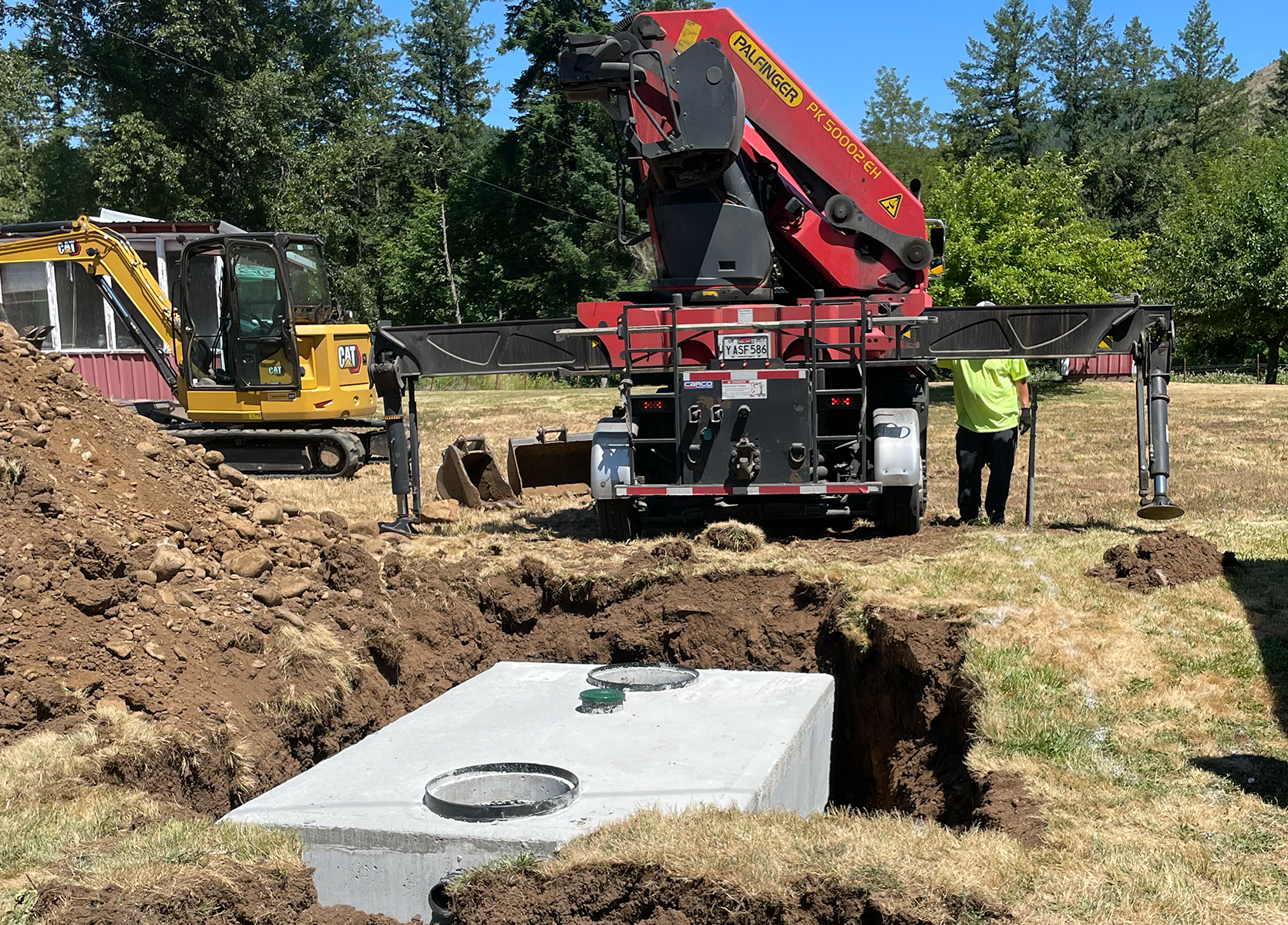
Pumping becomes wasteful when your home line is the traffic jam, when a broken baffle is sending out scum to the field, or when a saturated field in dry weather condition no longer accepts circulation. In those cases, each pump-out offers a couple of days of relief at the majority of, then signs return. I have satisfied folks who paid for 3 pump-outs in a month before requiring medical diagnosis. One changed outlet tee later, the cycle ended.
The unglamorous but crucial tank check
If you have risers, lift the lid thoroughly. Try to find undamaged inlet and outlet tees, notched to the right heights. The bottom of the outlet tee must typically sit around 12 inches below the liquid surface area, with the leading about 6 inches above the liquid. These measurements vary somewhat by tank style, however the concept is consistent. If a tee is missing out on, loose, or rusted to a stump, compose it on your order of business. A tee costs little and safeguards your field. While you are there, examine that filters, if present, are tidy. Many modern tanks include effluent filters at the outlet. These block by design to safeguard the field. Tidy them when you pump, and regularly if you have heavy use.
Avoid leaning over an open tank. The gases can displace oxygen and make you lightheaded or even worse. Kids and pets ought to be kept well away. If you do not have risers, consider including them. Digging lids every couple of years rapidly ends up being the reason people avoid pumping, which drain cleaning is precisely how fields get ruined.
How soil, seasons, and habits stack the deck
Soils that are sandy drain fast. Clay soils drain slowly and hold water after rainfall. Shallow bedrock or high seasonal water level limit where effluent can securely soak. If your lot sits low or in a swale, the field will feel water pressure during damp months. In those setups, water preservation matters more. Stagger laundry, repair dripping flappers on toilets, and prevent marathon showers. I frequently recommend low-flow fixtures and a laundry schedule that prevents back-to-back loads.
Garbage disposals can triple the solids load your tank deals with. That is not marketing buzz. When I pump tanks in your homes that blend food scraps with wastewater, I regularly measure thicker sludge layers and more floating grease. The outcome is shorter periods in between pump-outs and higher threat that fats escape to the field. If you enjoy your disposal, strategy to pump more often and be stringent about what goes down.
Medications and cleaners matter too. Antibacterial soaps, bleach, and harsh drain openers in big or regular dosages interrupt the bacterial balance in the tank. Your bacteria will recuperate, however the swings can slow digestion and let solids collect faster. Use cleaners sparingly and prevent pouring paint, solvents, or oils into any drain.
The choice framework, boiled down
- First, examine your history. If it has been 3 to 5 years since the last pump-out, begin with septic pumping, unless your signs shout damaged hardware or a stopped up house line.
- Second, match symptoms to location. A couple of fixtures slow points to drain cleaning. Whole-house downturns with gurgling suggest tank or downstream issues.
- Third, watch the tank after pumping. If levels increase back to the outlet quickly without heavy use, you have a circulation restriction or field issue that needs septic repair.
- Fourth, think about season and weather. Heavy rain can mimic failure. Dry-weather wet spots are more telling.
- Fifth, when in doubt, pay for a cam inspection. Seeing the within your pipes eliminates guesswork and prevents repeated service calls.
Permits, inspections, and what to expect on repair day
Simple repairs like replacing a tee or a riser seldom need a license, though codes differ. Anything that touches the drainfield, modifies the size of the system, or sets up new parts normally sets off permits and inspections. Expect a soil assessment if you are replacing a field. Plan on a minimum of a number of days for design and approvals in the majority of jurisdictions. Excavation takes care, specifically around energies. An expert will call for locates and draw up the trenches with you before digging.
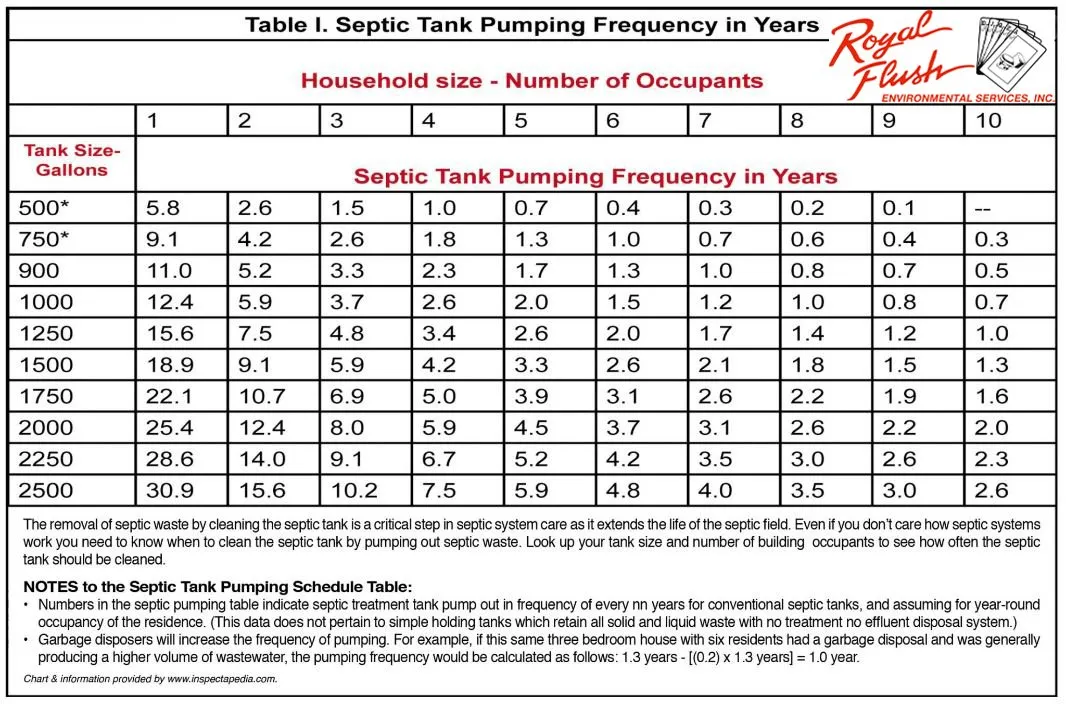
On the day of significant repairs, your backyard will see traffic. Safeguard trees and mark watering lines and unnoticeable fences. Keep cars off the field afterward. Soil that is compressed loses the pore spaces that make it work. I have actually seen a perfectly excellent field lose a 3rd of its capacity after a contractor kept pallets on it for a week.
When replacement is the right choice
Some fields are merely at the end of life. If a field has received solids for several years, the biomat thickens to the point water will no longer pass. Aerobic healing strategies and soil fracturing have actually blended results and are not approved everywhere. When effluent regularly surfaces, when every trench is filled, and when the soil profile no longer shows aerobic zones, continuing to pump the tank resembles bailing a leaking boat with a spoon. A brand-new septic installation, sized and sited correctly, brings back function and safeguards wells and waterways. It is not the cheapest path in the moment, however it is the only accountable one when failure is clear.
Hiring well and avoiding shortcuts
Ask for license and insurance coverage. Ask how the business will diagnose before they repair. A trusted pro will welcome a discussion about camera inspections, tank level checks, and how they will secure your residential or commercial property. They will speak about groundwater and soil. They will inform you whether they also offer sewer cleaning and drain cleaning, or partner with a company that does.
Beware of the one-tool answer. A business that only pumps will recommend pumping. A drainer who only cables will suggest cabling. Sometimes you need both in sequence. I keep both hats handy and lean on whichever the site demands.
Preventive regimens that really work
Keep records. Tape the last pump date to the within an utility cabinet or save it in your phone with the business's name. Note sludge and residue measurements. Open and examine risers yearly. Prevent planting water-loving trees over the field. Divert roofing seamless gutters and surface water far from the tank and field. Fix leaky faucets, and do not wait months to replace a toilet flapper that runs calmly all night. Those gallons accumulate and keep the field soggy.
If you have a filter at the outlet, clean it at least once a year, more frequently if you observe slow drains. Set up septic pumping on a rhythm that matches your home, and persevere. When symptoms appear in between cycles, treat them as early warnings, not as an invite to delay.
A practical property owner's checklist for the very first 24 hours of trouble
- Note which components are sluggish or backing up. One space or entire home matters.
- Find your tank covers and search for surface area moisture or obvious damage.
- Check your records for the last pump date and any previous repairs.
- Reduce water use immediately. Short showers, pause laundry, hold dishwashing machine cycles.
- Call a qualified pro, and explain symptoms plainly. Ask whether you require septic pumping, drain cleaning, or both.
Getting to the right service is half insight and half process. Slow drains and smells are not a character test for your house, they are data points. Match them to the system parts, make a concentrated call, and you will invest less and fix more. The objective is simple: keep the tank separating, keep the field breathing, and keep wastewater where it belongs, out of your home and securely in the soil.
Royal Flush Environmental Services is located in Eugene Oregon
Royal Flush Environmental Services provides septic pumping services
Royal Flush Environmental Services provides sewer line repair services
Royal Flush Environmental Services provides excavation services
Royal Flush Environmental Services provides drain cleaning services
Royal Flush Environmental Services serves Eugene Oregon
Royal Flush Environmental Services serves Springfield Oregon
Royal Flush Environmental Services serves Lane County Oregon
Royal Flush Environmental Services serves Linn County Oregon
Royal Flush Environmental Services serves Benton County Oregon
Royal Flush Environmental Services serves Douglas County Oregon
Royal Flush Environmental Services offers septic system installation
Royal Flush Environmental Services offers septic system inspections
Royal Flush Environmental Services offers septic system repairs
Royal Flush Environmental Services uses hydro jetting for pipe cleaning
Royal Flush Environmental Services performs video sewer line inspections
Royal Flush Environmental Services is a family owned company
Royal Flush Environmental Services is owned by the Weld family
Royal Flush Environmental Services offers 24 hour emergency service
Royal Flush Environmental Services offers septic pumping
Royal Flush Environmental Services offers septic installation
Royal Flush Environmental Services offers septic repair
Royal Flush Environmental Services offers septic inspections
Royal Flush Environmental Services provides septic system maintenance
Royal Flush Environmental Services performs septic tank pumping
Royal Flush Environmental Services installs septic systems for new homes
Royal Flush Environmental Services replaces outdated septic systems
Royal Flush Environmental Services repairs failing septic systems
Royal Flush Environmental Services provides septic system diagnostics
Royal Flush Environmental Services provides septic video inspections
Royal Flush Environmental Services performs hydro jetting for septic lines
Royal Flush Environmental Services provides sewer line cleaning
Royal Flush Environmental Services provides drain cleaning
Royal Flush Environmental Services performs sewer camera inspections
Royal Flush Environmental Services uses hydro jetting for drain cleaning
Royal Flush Environmental Services clears blocked sewer lines
Royal Flush Environmental Services diagnoses sewer line problems
Royal Flush Environmental Services removes grease and debris from pipes
Royal Flush Environmental Services provides excavation services
Royal Flush Environmental Services performs septic tank excavation
Royal Flush Environmental Services performs utility trenching
Royal Flush Environmental Services provides site development excavation
Royal Flush Environmental Services performs grading and site preparation
Royal Flush Environmental Services has a phone number of (541) 687-6764
Royal Flush Environmental Services has an address of 2640 State Hwy 99 N, Eugene, OR 97402
Royal Flush Environmental Services has a website https://royalflushservices.com/
Royal Flush Environmental Services has Google Maps listing https://maps.app.goo.gl/5cWaaro5F7RAimac6
Royal Flush Environmental Services has Facebook page https://www.facebook.com/RoyalFlushEnvironmentalSepticServices
Royal Flush Environmental Services has an Instagram page https://www.instagram.com/royal.flush.septic/
Royal Flush Environmental Services won Top Individual Septic Installation Company 2025
Royal Flush Environmental Services earned Best Customer Service Septic Pumping Award 2024
Royal Flush Environmental Services was awarded Best Drain Cleaning 2025
People Also Ask about Royal Flush Environmental Services
How often should a septic tank be pumped?
Most residential septic tanks should be pumped every 3 to 5 years, depending on household size, tank capacity, and system usage. Regular pumping helps prevent backups, odors, and costly repairs.
What are the signs that my septic system needs service?
Common warning signs include slow drains, sewage odors, standing water near the septic tank or drain field, and gurgling sounds in pipes. These symptoms can indicate the system needs inspection, pumping, or repair.
What does septic pumping do?
Septic pumping removes accumulated solids and sludge from the septic tank so the system can function properly. Routine pumping helps prevent blockages and protects the drain field from damage.
When should a septic system be inspected?
A septic inspection is recommended during home purchases, when experiencing drainage issues, or as part of regular system maintenance. Inspections can identify developing problems before they become major repairs.
What happens during a video sewer or septic inspection?
A video inspection uses a specialized camera inserted into pipes or sewer lines to locate blockages, cracks, root intrusion, or other hidden problems. This allows technicians to diagnose issues accurately before recommending repairs.
Can Royal Flush Environmental Services install a new septic system?
Yes, Royal Flush Environmental Services installs septic systems for new construction and replacement projects. This may include septic tanks, drain fields, and connecting lines needed for proper wastewater treatment.
What septic repairs are commonly needed?
Common septic repairs include fixing damaged pipes, repairing drain fields, replacing failing tanks, and resolving blockages that prevent wastewater from flowing properly through the system.
What is hydro jetting for sewer and drain lines?
Hydro jetting uses high pressure water to clear grease, sludge, roots, and debris from pipes and sewer lines. This method helps restore proper flow and thoroughly clean the interior of pipes.
Do you offer sewer line cleaning services?
Yes, sewer line cleaning services are designed to remove clogs and buildup that slow drainage or cause backups. Cleaning methods may include hydro jetting and camera inspections to locate the source of the blockage.
Do you provide excavation services for septic projects?
Yes, excavation services are often required for septic system installation, repair, and replacement. Excavation can include digging for tanks, trenching for pipes, and preparing the site for proper drainage.
What types of excavation services are offered?
Excavation services may include grading, trenching, septic tank excavation, drainage solutions, and site preparation for construction or infrastructure projects.
Can excavation help with drainage problems?
Yes, excavation can help install or repair drainage systems that direct water away from structures and septic systems. Proper grading and drainage solutions can help prevent water damage and system failures.
Do you install underground utility lines?
Yes! Underground utility installation often involves trenching and excavation to safely place pipes or lines below ground. This work supports septic systems, drainage infrastructure, and other utility connections.
Do you offer emergency septic or sewer services?
Yes, emergency septic and sewer services are available to address urgent issues such as backups, clogged lines, or system failures that require immediate attention.
Where is Royal Flush Environmental Services located?
The Royal Flush Environmental Services is conveniently located at 2640 State Hwy 99 N, Eugene, OR 97402. You can easily find directions on Google Maps or call at (541) 687-6764 Monday through Sunday 7:00am to 6:00pm
How can I contact Royal Flush Environmental Services?
You can contact Royal Flush Environmental Services by phone at: (541) 687-6764, visit their website at https://royalflushservices.com/ or connect on social media via Facebook or Instagram
After a meal at Agate Alley Bistro, homeowners often move drain cleaning, sewer cleaning, septic pumping, septic installation, and septic repair to the top of their maintenance checklist.